Beatway
Beat Copyright: Ownership, Licenses and Artist Agreements
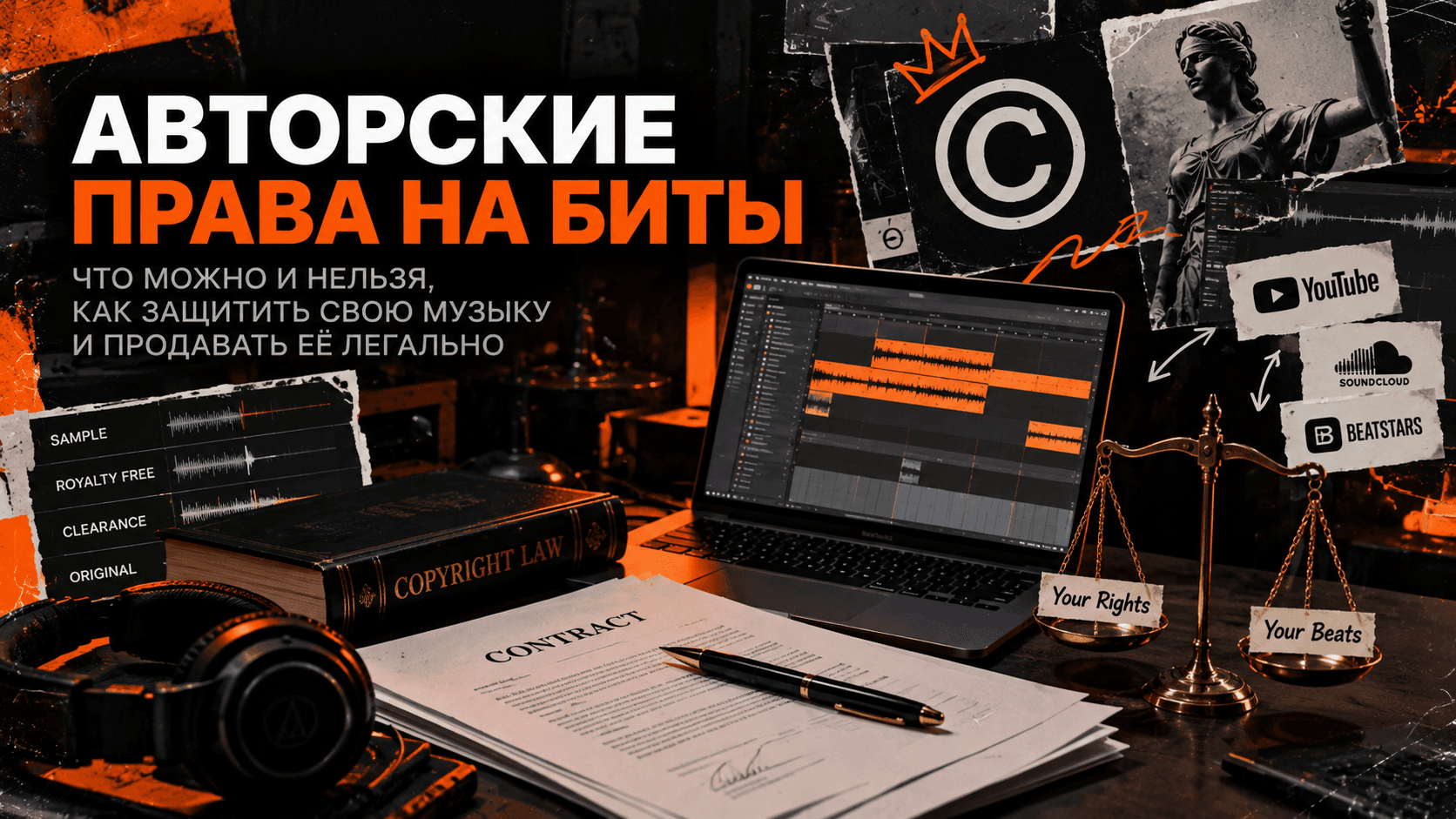
You made a beat, an artist recorded vocals, and the song reached streaming services. Who owns what? The answer depends on your agreements and applicable law, not only on who made the instrumental.
This article is a general explanation, not personalized legal advice.
Different layers of rights
A release can involve several separate elements:
- Composition: melody, harmony and other protected musical elements.
- Sound recording or master: the particular recorded performance.
- Performance and vocals: an artist or performer may hold separate rights.
- Third-party samples: other people's rights may also be involved.
“I sold the beat” does not explain those rights without the agreement.
A license is different from a transfer
A license permits specified uses under agreed conditions. Ownership does not necessarily change.
A transfer of economic rights can involve a broader assignment where the applicable law permits it and the agreement is properly documented.
Labels such as exclusive and unlimited do not replace the actual contract.
What a license should clarify
- Who grants permission and who receives it.
- Which files are included: MP3, WAV or trackouts.
- Whether commercial releases are allowed.
- Which uses are covered: streaming, videos, performances or advertising.
- Any time, territory or usage limits.
- What happens to existing licenses after an exclusive sale.
- Songwriting shares and other revenue arrangements, where relevant.
Clear terms leave less room for conflicting assumptions.
Content ID
If the artist and producer independently register the same audio in automated recognition systems, disputed claims can follow.
Agree in advance who may register what, and how incorrect claims will be resolved. This is especially important when several artists legitimately use a non-exclusive instrumental.
Beats containing samples
Check the source libraries and permissions for third-party recordings. Licensing a finished instrumental does not automatically clear the elements it contains.
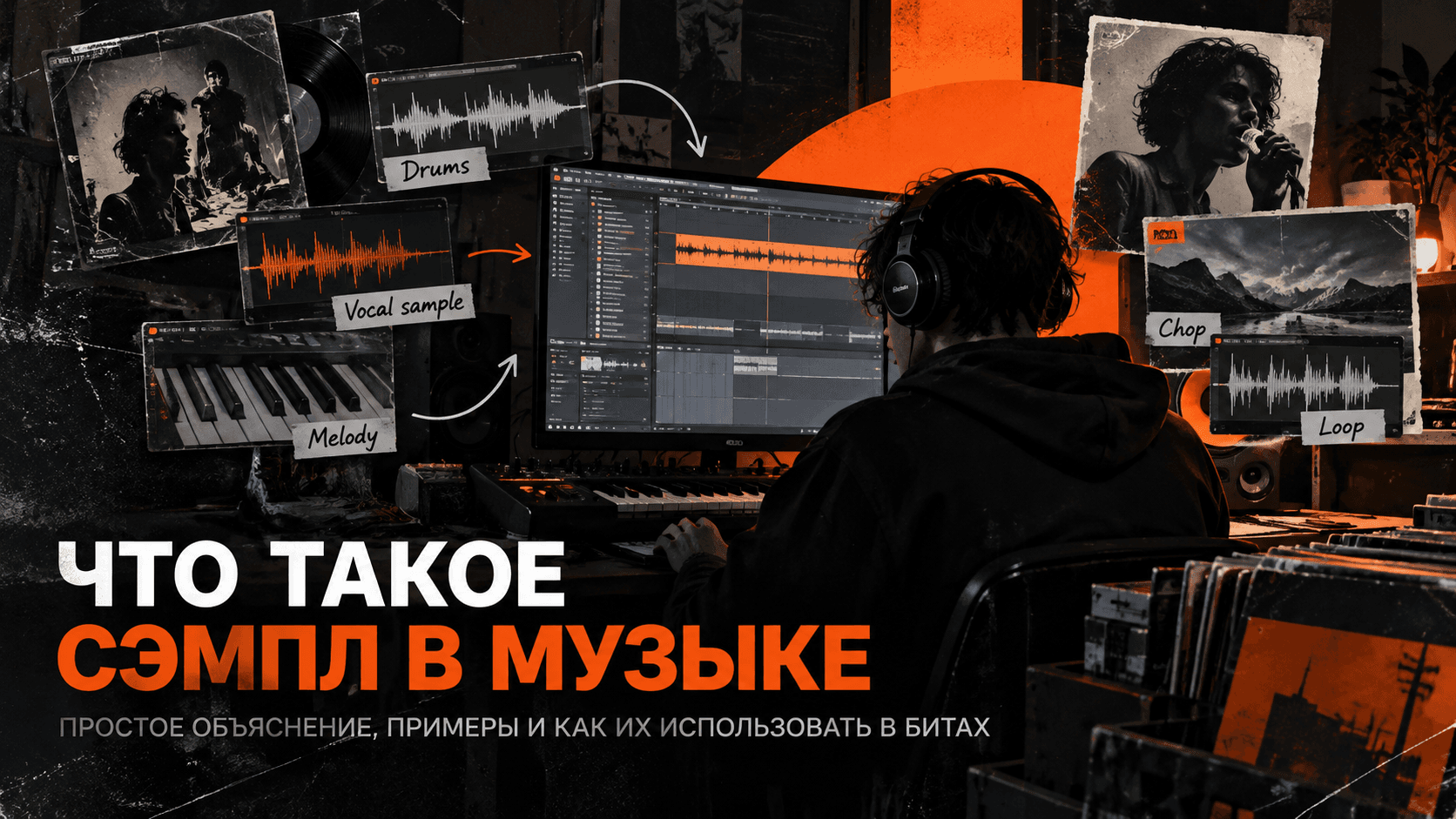
Read what music samples are and how to use them.
Before-sale checklist
- Record who created the composition and recording.
- Check sample and loop sources.
- Prepare clear license terms.
- Agree on files and permitted uses.
- Document royalties and songwriting shares where applicable.
- Agree on Content ID responsibilities.
- Keep correspondence, invoices and payment confirmations.
FAQ
Can I sell one beat to several artists? Yes, where your licensing model permits non-exclusive sales.
Does an exclusive license always transfer authorship? No. Read the agreement and consider the applicable law.
Is a YouTube description enough? Use terms that the parties clearly agree to and can retain with the purchase.
Next steps
Once the rights are clear, prepare your files, metadata, description and artwork. Beatway reduces publishing work; it does not replace an agreement or legal review.
Further reading
U.S. Copyright Office: what musicians should know. This source explains U.S. rules; applicable law may differ elsewhere.