Beatway
What Is a Sample in Music? Loops, Techniques and Rights
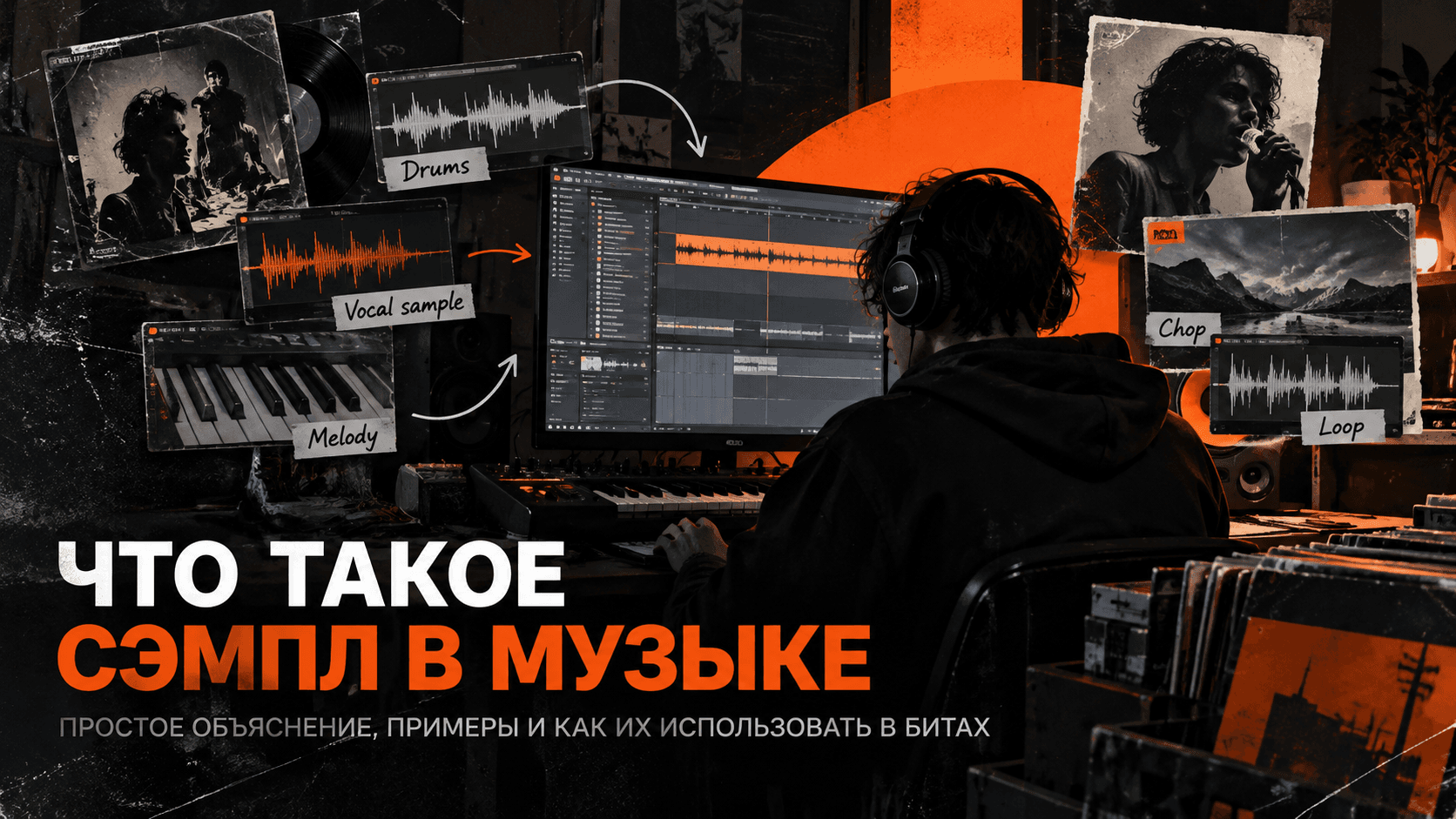
A sample is recorded audio used in a new composition. It might be a drum hit, voice, piano phrase, street noise or an excerpt from an older song.
Sampling is a normal creative technique. Problems arise when a release uses someone else's recording without the necessary rights.
Sample, loop and one-shot
- One-shot: a single sound, such as a kick, clap or vocal shout.
- Loop: a repeating passage, such as four bars of drums.
- Sample: the broader term for recorded sound or an excerpt of it.
A loop can be used as a sample, but not every sample is a loop.
Common sampling techniques
Chopping: cut the source into pieces and rearrange them into a new phrase.
Pitch shifting: change pitch and sometimes the character of the sound.
Time stretching: adjust duration to the project's BPM.
Reverse and effects: reverse the recording, filter it or add space.
For example, a short piano part can become a new melodic idea when you change its accents and rhythm.
Where to find samples
Start with sources that clearly explain their licenses. Check commercial use, resale of source files and restrictions on particular services.
Possible sources include:
- Your own recordings.
- Libraries with clear commercial licenses.
- Material used with the rightsholder's permission.
- Material genuinely in the public domain in the relevant jurisdiction, with the recording's status checked separately.
Royalty-free does not mean unrestricted. It usually describes licensed uses, not a transfer of every right.
Sample clearance
Using someone else's commercial recording may require permission for both the sound recording and the underlying composition.
Heavy editing does not automatically remove copyright restrictions. There is no universal rule that any sample under three seconds is permitted.
Before a commercial release, review the license and seek advice about the applicable law when necessary.
Keep records of permissions
Store the following with the project:
- Library or creator name.
- Source link.
- Date the file was obtained.
- License text or receipt.
- Any additional permissions.
This folder becomes valuable if someone questions a release.
Can you sell a sampled beat?
You need the rights required for the intended use. Your beat license cannot grant a buyer more rights than you hold.
Check whether the source license allows monetization, publication and use of the resulting work by your customer.
FAQ
Can I sample a YouTube video? Public availability is not permission to reuse a recording.
Does changing pitch remove copyright? No. Processing alone does not remove legal restrictions.
What is a sensible starting point? Your own recordings and libraries with well-documented licenses.
Next steps
Finish your instrumental, then prepare accurate metadata, previews and a description. Beatway helps package releases, while checking rights to source sounds remains your responsibility.
Further reading
U.S. Copyright Office: what musicians should know. This source explains U.S. rules; applicable law may differ elsewhere.